FMCG Catalogue Instability in Kenyan Reselling & How to Fix It
Why fast-moving consumer goods catalogs break traditional retail feeds and how stateful multi-tenant sync maintains order accuracy.
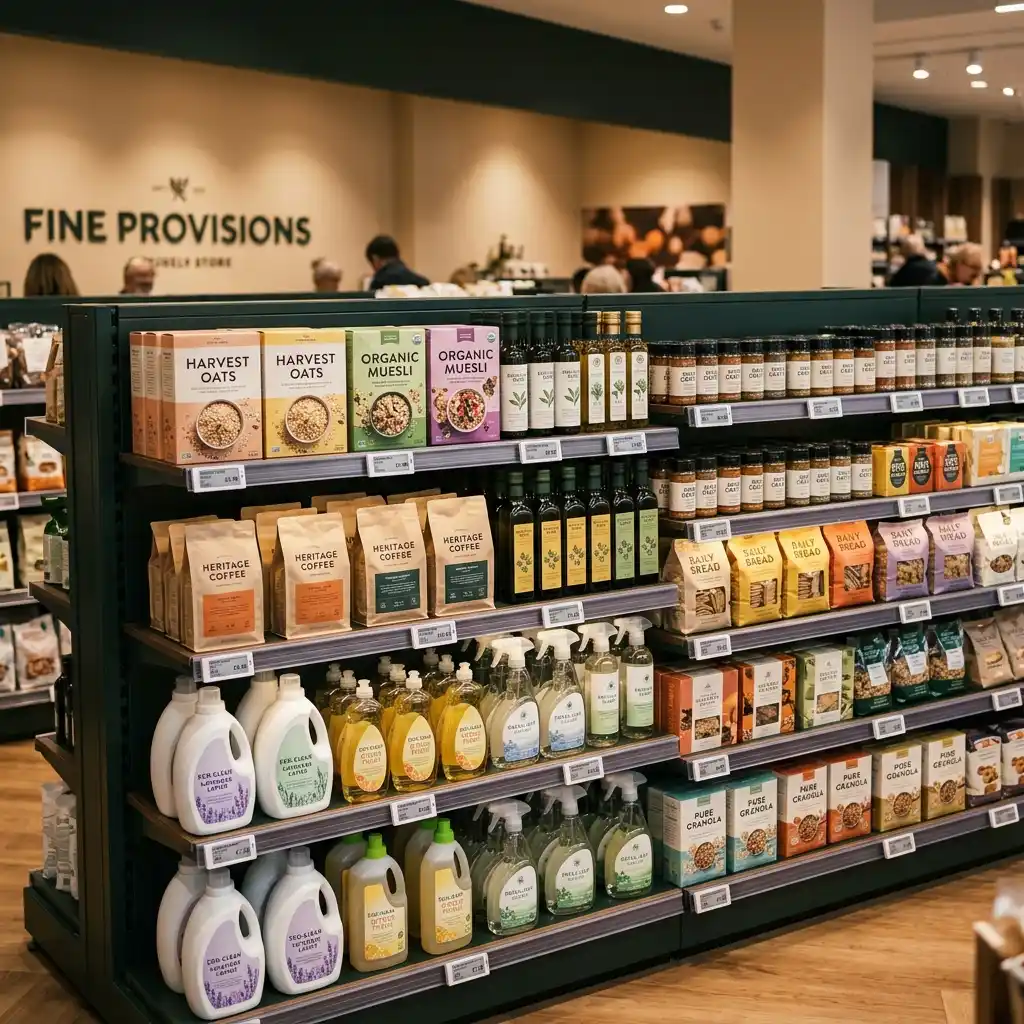
In the Kenyan multi-tenant commerce ecosystem, Fast-Moving Consumer Goods (FMCG), including packaged foods, household cleaning agents, personal care items, and dry groceries, represent the highest volume category for online resellers.
However, FMCG presents a unique engineering challenge that standard web frameworks fail to address: extreme catalog instability.
The Anatomy of Catalog Drift
Unlike consumer electronics or high-end fashion where SKUs remain stable for months, FMCG supplier feeds fluctuate hourly. Wholesalers across Kamukunji and Industrial Area alter unit pricing based on transport fuel fluctuations, bulk packaging availability, and import tariff adjustments.
When an FMCG dropshipper connects an unstable upstream catalog to a downstream Facebook Shop or Google Merchant Center feed, three failures occur:
- Price Disparity: An item whose wholesale cost jumped from KES 450 to KES 580 overnight continues displaying as KES 600 retail, wiping out the reseller’s net margin.
- Broken Barcodes & Pack Sizes: Suppliers switch between
12-pack cartonsand6-pack shrink wrapswithout updating base SKU identifiers. - Ghost Inventory: Items that are sold out upstream remain orderable on downstream sales channels until manual human audit catches the error.
Our Multi-Tenant Catalog Engine
To insulate merchants from upstream chaos, Dukene engineered an intermediary stateful catalog layer:
- Diff-Based Feed Ingestion: When supplier catalog feeds ingest into Dukene, our workers compute structural diffs before broadcasting updates outward. Instead of overwriting existing tenant catalogs, we append price and stock deltas with timestamps.
- Margin Floor Protection: Merchants define automated margin floors (
Minimum Gross Margin: 18%). If an upstream wholesale price increase pushes retail margins below this floor, the system automatically pauses the listing or recalculates the public retail price. - Atomic Channel Sync: Updates to pricing or availability push simultaneously across Meta Shops, Google Merchant Center, and shareable checkout links within 800 milliseconds.
By treating supplier catalogs as volatile data streams rather than static tables, Dukene restores predictability to high-volume FMCG operations.
Want to run your storefront on this exact infrastructure?
Test our multi-tenant catalog sync, connect your M-Pesa Till/Paybill or Bank account via PayHero & Paystack, and experience WhatsApp-native checkout with zero monthly lock-in.
Launch Free StorefrontFounder & Chief Architect · Published on Jul 2, 2026 · 5 min read